All Categories
Featured
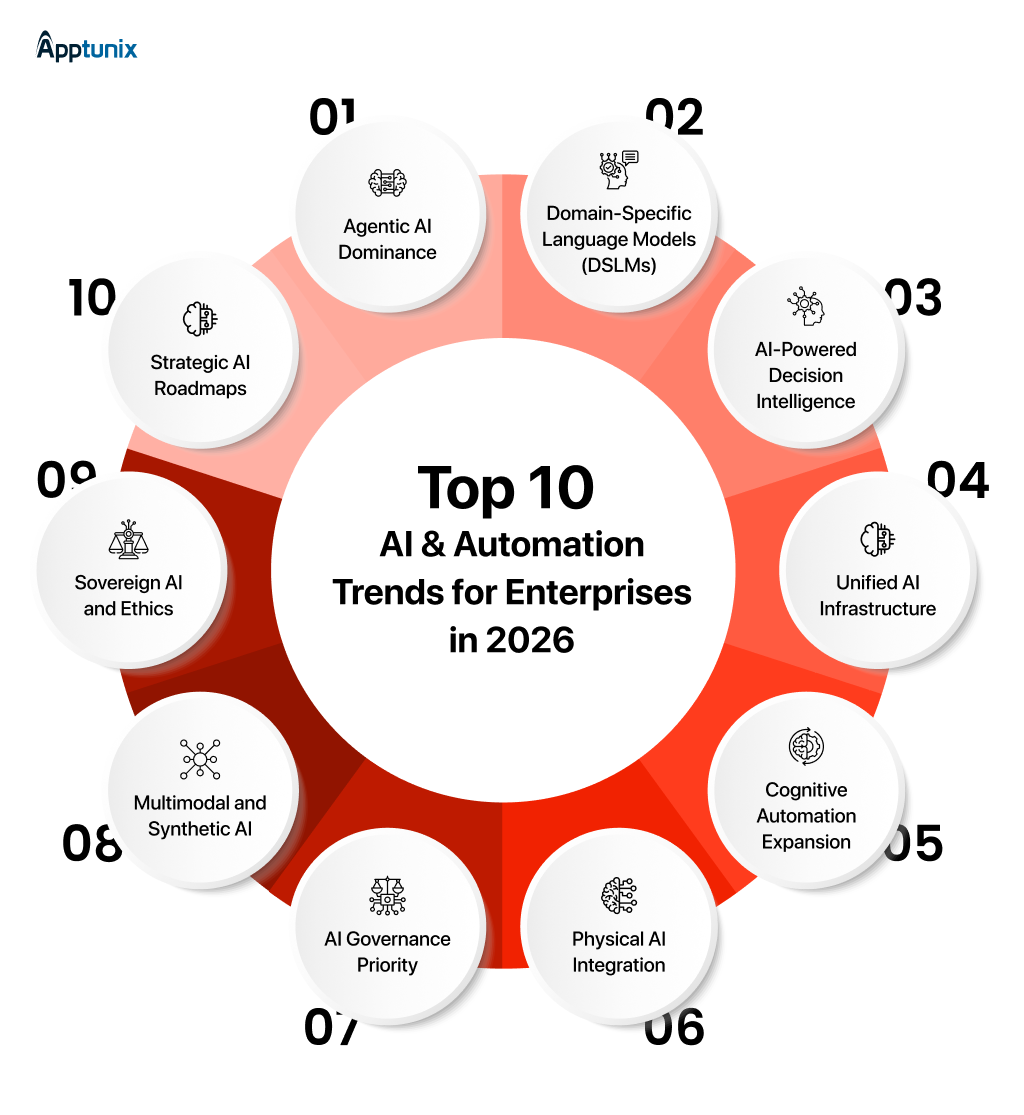

Main Benefits of Applied AI Innovation
Table of Contents
Conventional fintech and e-commerce platforms like Tabby are now retrofitting AI-native layers onto their existing architectures. This upgrade cycle produces appraisal benefits that compound with time. The differentiation in between "AI-native" and "AI-enabled" startups will end up being the primary filter for institutional financiers evaluating GCC opportunities in 2026. Fadi Ghandour's implicit review of the region's start-up ecosystem brings analytical weight: the next unicorns need to be developed on AI automation, not market arbitrage.
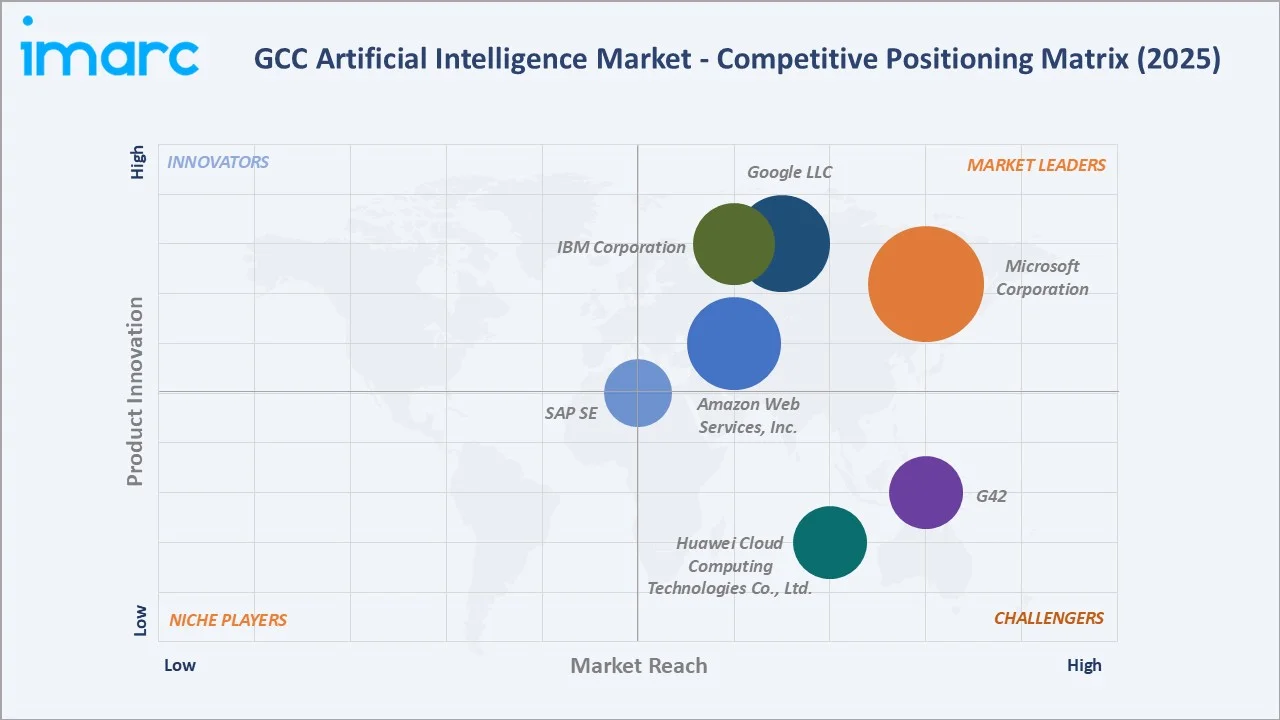
AI-adjacent infrastructure business drew in the largest rounds, while consumer-facing platforms without proprietary innovation elements saw extended fundraising timelines and lower evaluations.-- Secondary transactions will end up being important as endeavor funds technique later on phases and start-up assessments rise.
The surprise logic is counterproductive: secondary markets change the "exit-only" state of mind that has controlled GCC startup culture. Creators can now offer partial stakes without triggering an IPO, permitting them to maintain operational control while supplying liquidity to early investors and staff members. This system produces a more mature capital ecosystem where companies can stay personal longer while still satisfying early capital suppliers.
Essential Strategies for Managing High-Impact AI SystemsBoth jurisdictions require secondary liquidity infrastructure to bring in worldwide family workplaces and institutional investors who require versatile exit systems (Source 3: Market Structure Analysis). The development of devoted secondary trading platforms, or the combination of secondary capabilities into existing exchanges, will be a specifying infrastructure story of 2026. For endeavor funds approaching their maturity horizons, secondary markets represent the distinction between returning capital to restricted partners on schedule versus looking for extensions.
-- Global AI labs are establishing long-term operations in Abu Dhabi and Riyadh, drawn by 2 aspects that the GCC possesses in abundance: capital and energy infrastructure. Large language design training requires both funds and industrial-scale computing power, making the Gulf's sovereign wealth funds and energy possessions distinctively attractive to AI developers.
Why Applied AI Is Crucial for Modern Growth
Unlike previous waves of Chinese tech expansion that concentrated on consumer hardware and e-commerce, the present growth targets AI infrastructure, cloud computing, and wise city agreements. Mid-tier Chinese AI companies, constrained by domestic competition and international sanctions, see the GCC as a neutral market where they can release innovation without geopolitical friction.
Worldwide AI companies developing Gulf operations create skill pipelines and understanding transfer mechanisms that local communities can not replicate naturally. They likewise consolidate the GCC's position as a third pole in the worldwide AI landscape, distinct from Silicon Valley and Beijing (Source 4: Geopolitical Analysis). For local startups, this colonization provides both chances and hazards.
-- Saudi Arabia and the UAE's capital markets are participated in direct competitors to end up being the region's preferred exit path for technology business. This rivalry, while useful for startups in the short-term, develops tactical complexity for business planning IPOs. Saudi Arabia's Capital Market Authority has implemented reforms developed to minimize listing timelines and disclosure requirements for innovation business.
Developing the Applied AI Roadmap for 2026
IPO readiness has ended up being a strategic concern in both jurisdictions. Unicorns Tabby, Tamara, and Salla are placed to check public markets in 2026, and their performance will set precedents for the entire environment. If these companies accomplish strong public market debuts, they will validate the GCC's capability to support big technology listings.
The competitors reaches secondary listings and dual-listing structures. Business are progressively structuring their corporate entities to keep optionality in between Saudi and UAE exchanges, a versatility that includes legal and administrative intricacy but takes full advantage of strategic options.-- AI automation will disproportionately affect junior roles consisting of experts, planners, customer support, and fundamental coding functions.
Federal governments throughout the GCC accelerated adoption of AI as foundational facilities in 2025, acknowledging that automation is not optional but essential for preserving worldwide competitiveness. This velocity produces a stress in between short-term employment goals and long-term performance imperatives. The workforce change will manifest in 3 unique phases. Stage one, already underway, includes the elimination or decrease of functions that include info synthesis, standard analysis, and regular customer interaction.
Essential Strategies for Managing High-Impact AI SystemsPhase 3, noticeable on a 3-5 year horizon, will include essential restructuring of organizational hierarchies as AI minimizes the need for middle management layers (Source 6: Labor Economics Analysis). Universities and schools in the GCC face existential pressure to transform their curricula. The standard design of knowledge transmissionlectures, memorization, standardized testingis becoming outdated as AI systems can carry out these functions more efficiently.
-- Large business in the GCC are transitioning from AI experimentation to full-scale implementation. This shift changes the need characteristics for technology startups, which now discover themselves competing against internal innovation teams at sovereign wealth funds, oil business, and federal government entities. The enterprise release wave produces a bifurcation in the start-up ecosystem.

Latest Posts
Why Advanced AI Is Crucial for 2026 Growth
Implementing Advanced AI to Scale Digital Roadmaps

The Role of AI in 2026 Market Growth