All Categories
Featured
High-Impact Digital Plans for 2026 Leaders
Table of Contents
The region integrates fairly low energy costs, coordinated state-backed investment automobiles, and a start-up ecosystem that stays less saturated than major Western markets. Together, these elements are starting to shape a various investment thesis for AI in the region. The quick expansion of AI workloads is already creating facilities obstacles worldwide.
While capital and hardware schedule remain important, energy supply and grid capability are becoming important restrictions in lots of markets. In parts of the United States and Europe, rising energy prices, grid limitations, and regulatory approval timelines are beginning to influence how rapidly hyperscale information centres can be released. The Gulf region operates under different structural conditions.
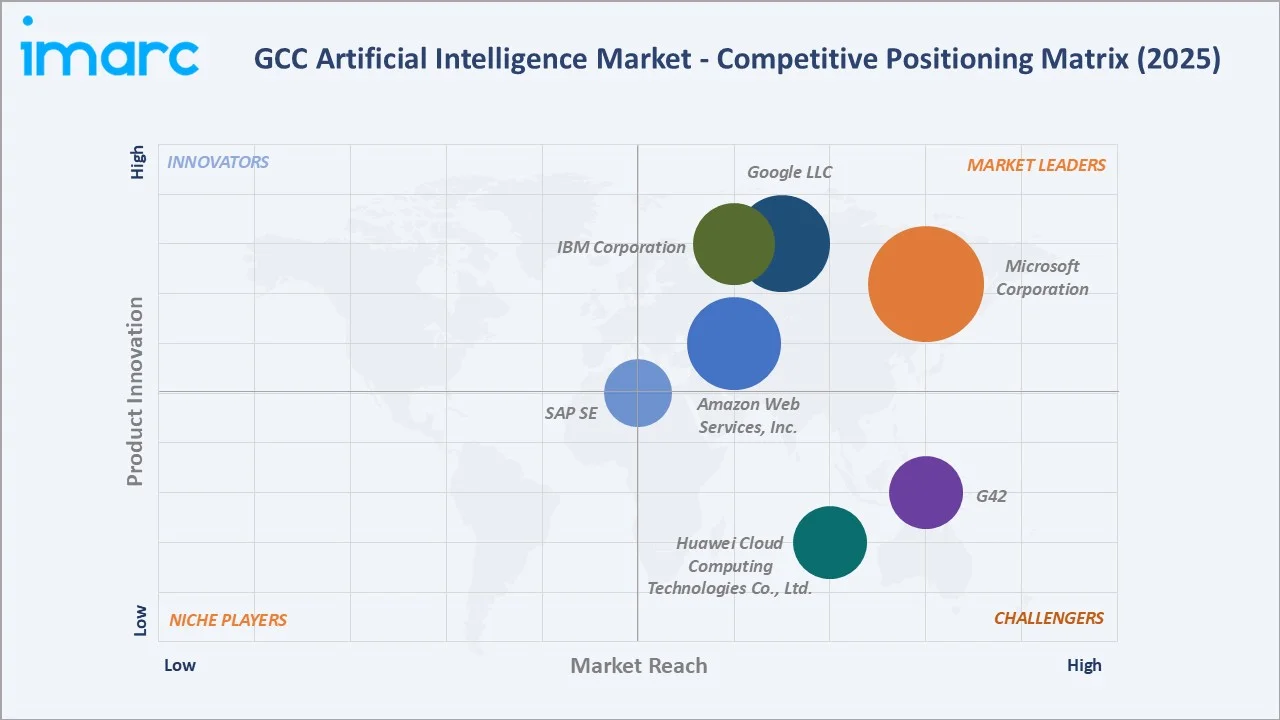
Qatar, for instance, has been actively bring in hyperscale facilities financial investment, while Saudi Arabia has actually taken a more expansive method. The kingdom's Humain initiative, backed by the Public Mutual fund and partnered with companies consisting of Nvidia, AMD, AWS, Qualcomm, and Cisco, targets 1.9 gigawatts of information center capacity by 2030, with longer-term aspirations of reaching 6 gigawatts by 2034.
Infrastructure investment in AI is not simply a question of capacity. Modern AI accelerators can draw close to one kilowatt of power at peak load, indicating that the long-term economics of data centres depend greatly on continual work and energy performance. For investors, this locations increasing importance on cooling innovations, energy optimisation, and the utilisation economics of inference workloads instead of just heading capacity figures.
This is where the GCC may hold an advantage that is frequently overlooked in international AI conversations., for example, prioritises the adoption of AI throughout several government departments and sectors.
How to Leverage AI for Maximum Digital Results
Solutions built for these environments need specialised understanding of local regulative and financial systems that international start-ups may find hard to replicate quickly. AI tools that convert clinicians' voice recordings into Arabic-language medical paperwork, or systems designed to automate regulatory compliance for GCC-specific structures, resolve extremely useful operational issues.
From an investment perspective, startups running in these specialised segments typically deal with less competition than similar companies in the United States or Europe. A lot of the innovations developed for Arabic-language environments or region-specific regulative systems may likewise find demand in underserved markets across Africa and parts of Central Asia, where comparable linguistic and regulatory conditions exist.
Facilities financial investments need to be evaluated not only by announced information centre capability however likewise by energy efficiency, utilisation rates, and long-term work sustainability. Second, some of the most resilient AI companies might emerge from business embedded in functional workflows rather than consumer-facing applications. Enterprise software that silently automates compliance, documents, logistics optimisation, or financial analysis often generates stable, repeating earnings due to the fact that organisations depend on it for everyday operations.
As language designs, speech acknowledgment systems, and business AI tools become more tailored to Arabic-speaking markets, the business constructing these capabilities could eventually serve a much larger geography where comparable linguistic barriers exist. As local information centre infrastructure expands and business adoption of AI moves from pilot tasks to massive procurement, the Gulf's position in the global AI environment might begin to progress.
Why Digital Tools Boost Enterprise ROI
The structural conditions that allow this shift are currently emerging: access to energy resources, collaborated capital release through sovereign funds, and a regulative environment where federal governments are actively encouraging AI adoption. The concern for financiers is less whether these conditions exist and more how rapidly capital and founders move to develop within them before the opportunity ends up being extensively recognised.
As 2025 wanes, the Gulf Cooperation Council's technology and startup community has reached an inflection point that essentially changes its trajectory. Venture investment activity reached record levels this year, yet the distribution of capital informs a more complicated story than aggregate numbers suggest. Capital is no longer flowing broadly across the community; it is concentrating in fewer, bigger, and structurally mature business (Source 1: Primary Information).
Companies like Tabby, Tamara, and Sallafintech and e-commerce platforms that have grown into unicorn statuscaptured disproportionate shares of offered capital. This concentration signals that the GCC environment is "maturing" quickly, transitioning from a landscape of seed-stage experiments to one controlled by structural combination and capital effectiveness requireds. The year 2026 will be specified by discipline.

Latest Posts
Why Advanced AI Is Crucial for 2026 Growth
Implementing Advanced AI to Scale Digital Roadmaps

The Role of AI in 2026 Market Growth