All Categories
Featured
Table of Contents
It links with more than 9,000 apps including Notion, Trello, Discord, HubSpot, and more. The Templates section is complete of prebuilt automations that work out of the box.
It worked perfectly with other apps, creating a smooth handoff across platforms. That stated, prices can increase rapidly if you use multi-step Zaps or run high volumes. And if a connected app alters its API, some Zaps might break without caution. Still, Zapier's paperwork and support team make it easy to recuperate quick.
Suitable for enterprises with high-volume, cross-functional automation needs. Automation Anywhere is designed for major enterprise use. It works on Agentic Process Automation (APA), which surpasses rule-based RPA by making it possible for AI agents that make choices based on real-time context and your organization information. These representatives adapt on the fly, working throughout apps and systems without continuous oversight.
It embeds straight into apps like Salesforce and SAP, where it recommends next steps, retrieves records, or fills forms, all from within your existing tools. It's context-aware and actively responds to user input without switching tabs or tools.
The Top Workflow Systems Analyses for 2026
You can start with prebuilt AI agents or build your own using pre-trained skills, then connect them to cloud platforms like AWS or Google Cloud. While the innovation is impressive, it's not beginner-friendly. There's minimal neighborhood assistance, and group collaboration is a discomfort point; just one individual can edit a bot at a time, which slows group work.
Offers pre-trained AI abilities for faster deploymentSupports secure multi-cloud and on-prem setupsBuilt-in controls for compliance and audit readiness Team cooperation is restrictiveLimited peer community and shared resources Needs a demonstration demand; rates depends on scale and company needs BluePrism automates organization workflows with a focus on compliance, governance, and enterprise control.
Blue Prism has actually long been a heavyweight in business automation, and its current updates make the platform more functional without compromising control. Previously, the Application Modeler, used to train bots by mapping out UI aspects, was tiresome.
, Blue Prism provides solid automation with governance baked in. Designed for long-lasting scalability in intricate orgsBuilt-in compliance tooling for audit-heavy industriesReliable assistance from accredited application partners Lacks an intuitive user experience for casual usersThe neighborhood ecosystem feels less active than its peers 30-day gain access to, 15 automation processes, complete desktop license Centralized automation, SLA-based orchestration, version control Totally managed cloud-based automation environment On-prem tools for localized automation Process orchestration platform focused on customer travels Workato manages intricate workflows across apps using role-based AI representatives.
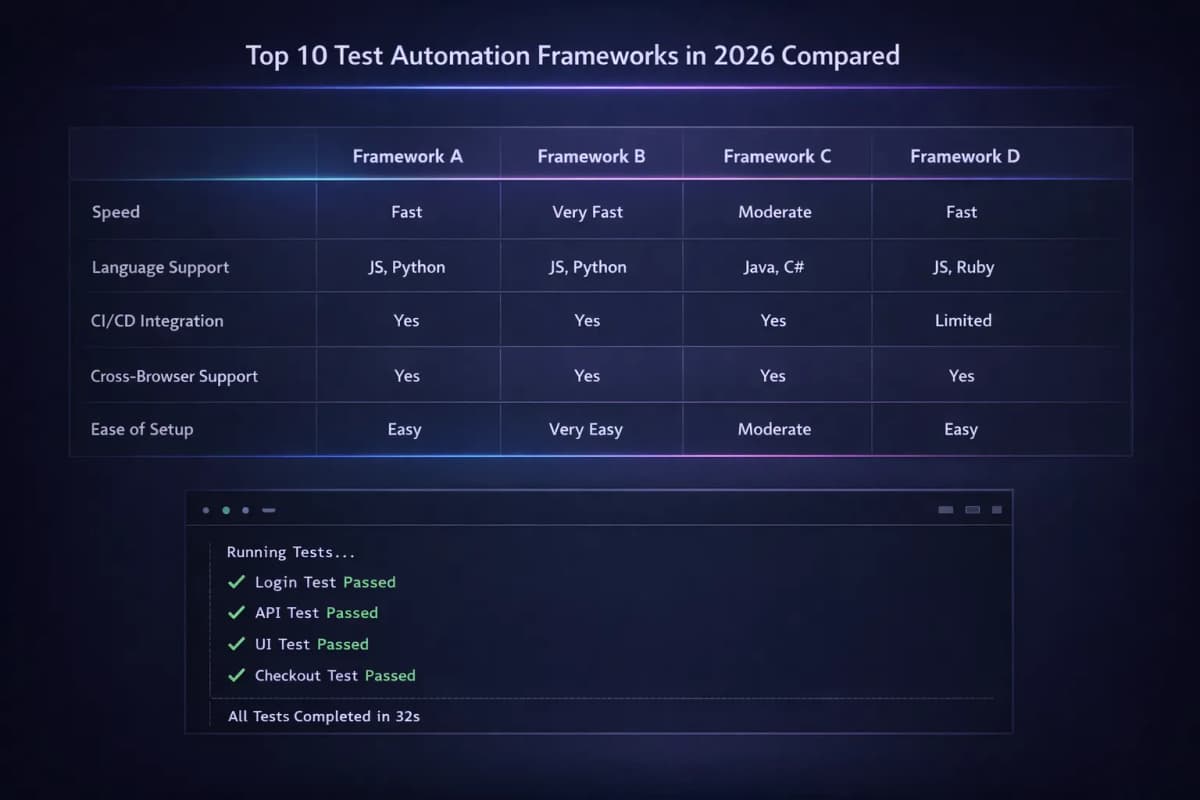
Comparing Leading Cloud Systems in 2026
Workato goes beyond connecting apps, it's developed to manage workflows that cover throughout tools, departments, and roles. When I checked it, the standout was ITGenie, Workato's AI assistant for internal ops. I tried it inside Slack with unclear questions like "What do I do next?" and it delivered tailored onboarding steps by pulling from HR, function metadata, and team resources.
The genuine power shows when representatives collaborate. I asked for NetSuite gain access to as a brand-new hire, and instead of declining me outright, ITGenie routed the demand, checked policy, used alternatives, and spun up a Jira ticket, without me typing the very same thing two times. Whatever ran in the background, consisting of approval workflows and task projects.
You'll likely need somebody technically trained to manage it well. For teams that prioritize compliance and procedure exposure, Blue Prism provides solid automation with governance baked in. Developed for long-term scalability in complex orgsBuilt-in compliance tooling for audit-heavy industriesReliable assistance from accredited execution partners Lacks an intuitive user experience for casual usersThe neighborhood ecosystem feels less active than its peers 30-day gain access to, 15 automation procedures, complete desktop license Centralized automation, SLA-based orchestration, version control Completely handled cloud-based automation environment On-prem tools for localized automation Process orchestration platform focused on customer journeys Workato manages intricate workflows across apps utilizing role-based AI representatives.
Workato surpasses linking apps, it's constructed to orchestrate workflows that cover throughout tools, departments, and functions. When I checked it, the standout was ITGenie, Workato's AI assistant for internal ops. I tried it inside Slack with unclear concerns like "What do I do next?" and it provided personalized onboarding steps by pulling from HR, role metadata, and group resources.
The genuine power reveals when agents work together. I requested NetSuite gain access to as a brand-new hire, and instead of rejecting me outright, ITGenie routed the demand, examined policy, provided alternatives, and spun up a Jira ticket, without me typing the very same thing twice. Everything ran in the background, including approval workflows and job assignments.

Latest Posts
Why Advanced AI Is Crucial for 2026 Growth
Implementing Advanced AI to Scale Digital Roadmaps
The Role of AI in 2026 Market Growth